HWID Spoofers
HWID Spoofers: Comprehensive hardware identity manipulation tools designed to bypass hardware bans in games and applications. Learn how spoofers work and why they're essential for evading modern anti-cheat detection systems.
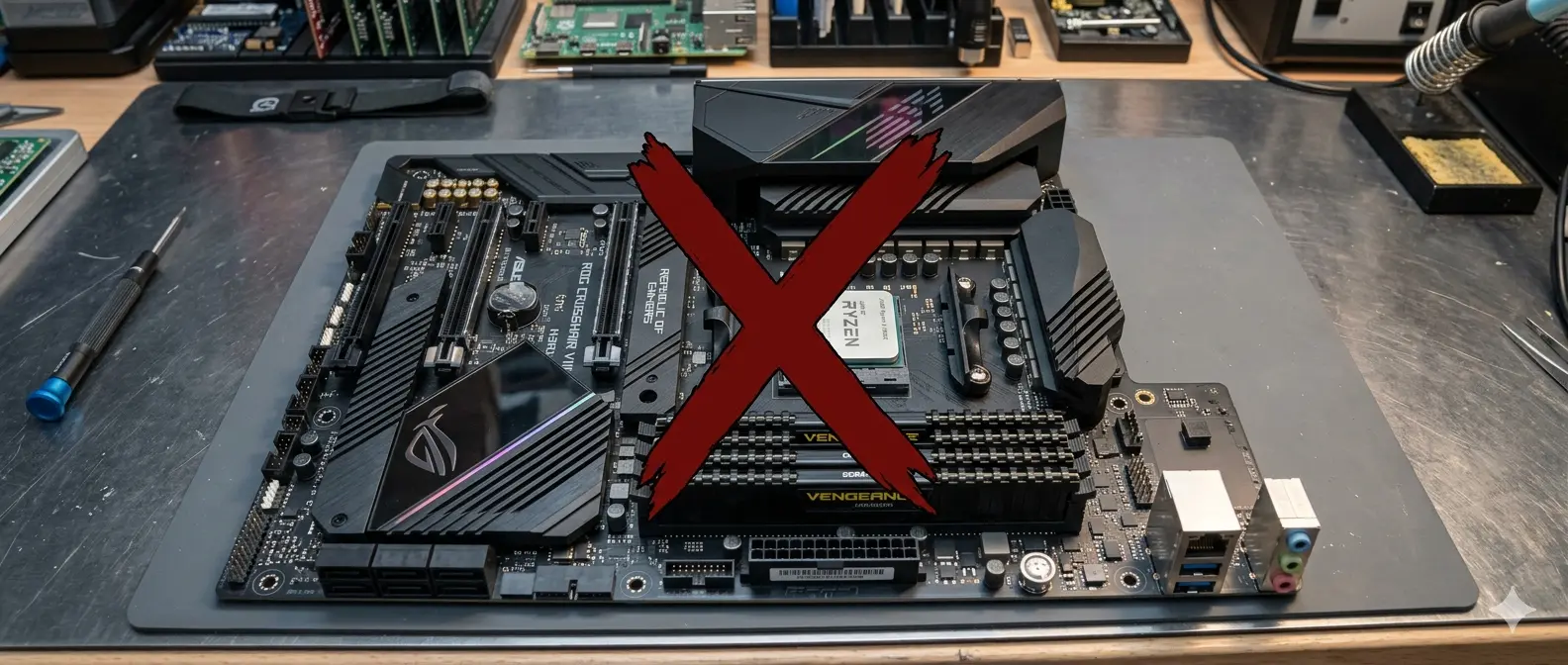
HWID (Hardware ID) Spoofers are sophisticated tools that modify or mask the unique hardware identifiers of a computer system to bypass hardware-based bans imposed by anti-cheat software. When a player receives a hardware ban (HWID Ban), the anti-cheat system blacklists specific hardware signatures including motherboard serial numbers, disk drive IDs, MAC addresses, CPU identifiers, and GPU serial numbers. HWID spoofers alter these identifiers, making the banned system appear as a completely new and legitimate device to anti-cheat engines. This process involves deep system-level modifications that trick detection mechanisms into believing the hardware profile has changed.
HWID spoofers operate through multiple layers of system manipulation, targeting both software and firmware-level identifiers. The most common approach involves kernel-mode drivers that intercept system calls used by anti-cheat software to query hardware information, returning spoofed values instead of genuine serial numbers. Advanced spoofers go further by manipulating registry entries, WMI (Windows Management Instrumentation) data, device manager properties, and even BIOS/UEFI identifiers through direct memory access. Some implementations use virtualization techniques to create isolated hardware profiles, while others employ TPM (Trusted Platform Module) emulation and secure boot bypass methods. The most sophisticated spoofers combine all these techniques, randomizing hardware signatures on each system boot to prevent pattern recognition by machine learning-based anti-cheat systems.
The primary advantage of HWID spoofers over other ban evasion methods is their ability to provide permanent protection against hardware bans without requiring physical component replacement. Unlike IP-based bans which can be bypassed with simple VPN solutions, hardware bans are designed to be permanent and costly to circumvent. Professional HWID spoofers can modify motherboard serials, disk IDs, MAC addresses, CPU signatures, GPU identifiers, BIOS dates, system UUIDs, and network adapter information simultaneously, creating a completely new hardware fingerprint. Modern spoofers also include anti-detection mechanisms that prevent anti-cheat systems from identifying the spoofing process itself, using techniques like driver signature enforcement bypass, PatchGuard evasion, and kernel callback manipulation. This comprehensive approach makes HWID spoofers the most reliable solution for players facing hardware bans in competitive gaming environments.